
Fructose may do more than add calories to a diet. New research from the University of California, Irvine suggests that the way the body processes fructose in the small intestine may influence how much dietary fat gets absorbed.
The finding offers a possible explanation for why diets high in both sugar and fat can have a stronger effect on weight and metabolism.
High-fructose corn syrup is widely used in sweetened drinks and processed foods to add sweetness and improve flavor. While excess calories can contribute to weight gain, researchers have been investigating whether fructose itself can trigger changes that affect obesity.
The new findings, published in Science Advances, point to the intestine as an important part of that process.
Fructose and the Small Intestine
The research team focused on the small intestine because it is the first major site where dietary fructose is processed. Scientists studied mice and examined a highly active form of a fructose-processing enzyme called Ketohexokinase-C.
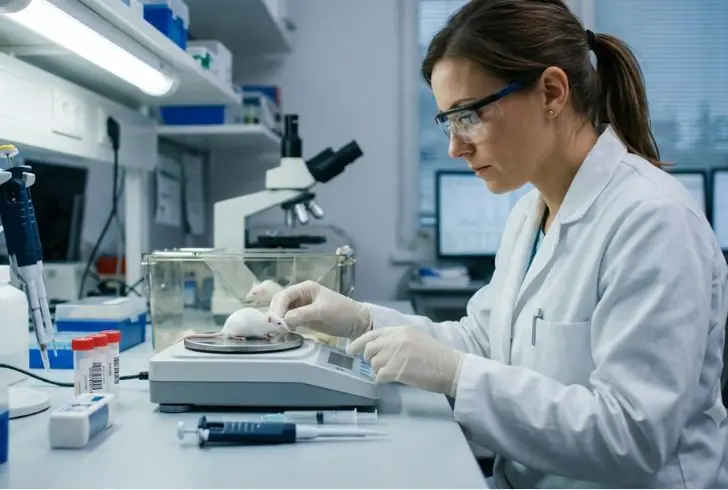
For up to 12 weeks, some mice received drinking water containing a high concentration of high-fructose corn syrup. Researchers compared them with mice given normal drinking water and mice that followed the same high-fructose diet but lacked intestinal Ketohexokinase-C.
The team monitored body weight, fat mass, blood sugar, insulin levels and fat absorption. To measure fat absorption, the mice received soybean oil. Researchers then tracked how much of that fat entered the bloodstream and how much left the body through waste.
The results were notable. Mice without intestinal Ketohexokinase-C consumed the same number of calories as normal mice, yet they gained significantly less weight and remained leaner. They also had better glucose tolerance and lower fasting insulin levels.
Gut Bacteria May Play a Role
The difference appeared to involve what happened to fructose inside the digestive tract. Without Ketohexokinase-C in intestinal cells, the mice could not break down fructose normally in the small intestine. As a result, more fructose moved deeper into the digestive tract, where it changed the gut microbiome.
That microbial shift affected immune cells in the intestinal wall. The change reduced the growth of lacteals, which are tiny lymphatic vessels that help transport absorbed dietary fat.
Shorter lacteals absorbed less fat. Therefore, more dietary fat passed through the digestive system and left the body in feces instead of entering circulation.

Researchers supported this connection by transferring the altered gut bacteria into normal mice. Those mice also developed shorter lacteals and absorbed less dietary fat.
The researchers described the finding as an “unexpected role” for small intestinal fructose catabolism in regulating the gut microbiome, lacteal growth, dietary fat absorption and overall metabolic health.
What the Findings Could Mean
The study was conducted in mice, so the same biological pathway still needs to be confirmed in humans. If it operates similarly in people, the findings could help explain why combining high amounts of fructose and dietary fat may have particularly strong metabolic effects.
The researchers also suggested that fructose metabolism could become a potential target for obesity treatments. One possibility involves medicines designed to inhibit Ketohexokinase activity, although such approaches would require substantial human research.
The study from the University of California, Irvine adds another layer to the relationship between fructose, gut biology and obesity. Fructose may influence weight not only through its calorie content but also through changes in the gut microbiome, intestinal immune cells and fat absorption.
More research in humans will determine whether this pathway plays a meaningful role in obesity and whether targeting fructose metabolism could eventually have a medical application.