
On the surface, Santa Claus looks cheerful, calm, and unstoppable. The laugh is loud, the belly jiggles, and the energy feels endless. However, when doctors and public health experts look beyond the red suit, the picture changes rapidly.
Based on medical journals and public health reports, Santa would be flagged as high risk in almost every routine checkup. His habits raise red flags. His work schedule would worry any cardiologist. Plus, his global contact rate would make epidemiologists nervous.
Chronic Health Risks from Lifestyle and Diet

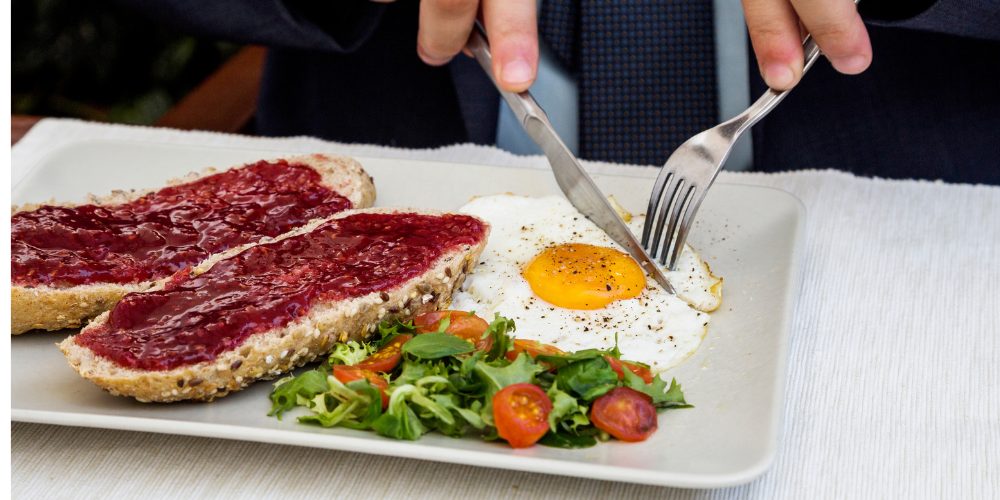
Night after night, year after year, he consumes cookies, milk, pies, and alcohol left out across the world. That means constant sugar spikes, heavy saturated fat intake, and almost no fiber. Over time, this pattern strongly raises the risk of type 2 diabetes, heart disease, high blood pressure, and fatty liver disease.
Now add his body composition. Santa is commonly portrayed with clear abdominal obesity, the most dangerous kind. This type of fat is closely linked to heart attacks, strokes, and even dementia. Combine that with months of near-total inactivity followed by one night of extreme physical exertion, and you have a dangerous setup. Doctors warn that sudden, intense activity in untrained bodies can trigger fatal cardiac events, especially in people with undiagnosed conditions.
Sleep is another concern. Experts suggest Santa would almost certainly have obstructive sleep apnea, caused by excess weight and neck fat. That condition strains the heart and lowers oxygen levels during sleep. Add in possible diverticulosis from low fiber intake and insulin resistance from sugar overload, and the diagnosis list grows fast. None of these conditions is rare, and together they create a serious long-term risk.
Plus, his work environment does not help. Repeated exposure to chimney soot is linked to chronic lung disease and certain cancers. Flying at high altitude in freezing air increases the risk of hypoxia, where the body does not get enough oxygen. Frostbite is also a concern. Even his famous rosy cheeks may signal rosacea from UV exposure or alcohol flush syndrome from all those leftover drinks.
Infectious Disease and Super-Spreader Concerns

Santa’s health risks do not stop with chronic disease. His role also raises major concerns about infectious disease spread. Public health experts have used the term Sick Santa Syndrome for years. The idea is simple. One Santa interacts closely with hundreds of children in a short time. If he coughs, sneezes, or talks loudly, germs spread fast.
Dr. Nathan Grills has warned that a single infected Santa could pass illnesses like influenza to dozens of children in one day. Kids sit on his lap. Faces are close. Hands touch beards, coats, and toys. Respiratory viruses love this setup. Add winter indoor settings, and transmission risk climbs even higher.
These risks moved from theory to reality during the COVID-19 pandemic. In 2020, a man playing Santa visited a care home while feeling well. He later tested positive. That single visit led to 75 infections among residents and staff and was linked to one death. In Georgia, about 50 children were exposed after a photo event with a Santa and Mrs. Claus, who later tested positive.
Dr. Grills and other experts argue that Santa normalizes habits that harm public health. Overeating is celebrated. Heavy drinking is treated as harmless fun. Speeding through the night is framed as heroic.