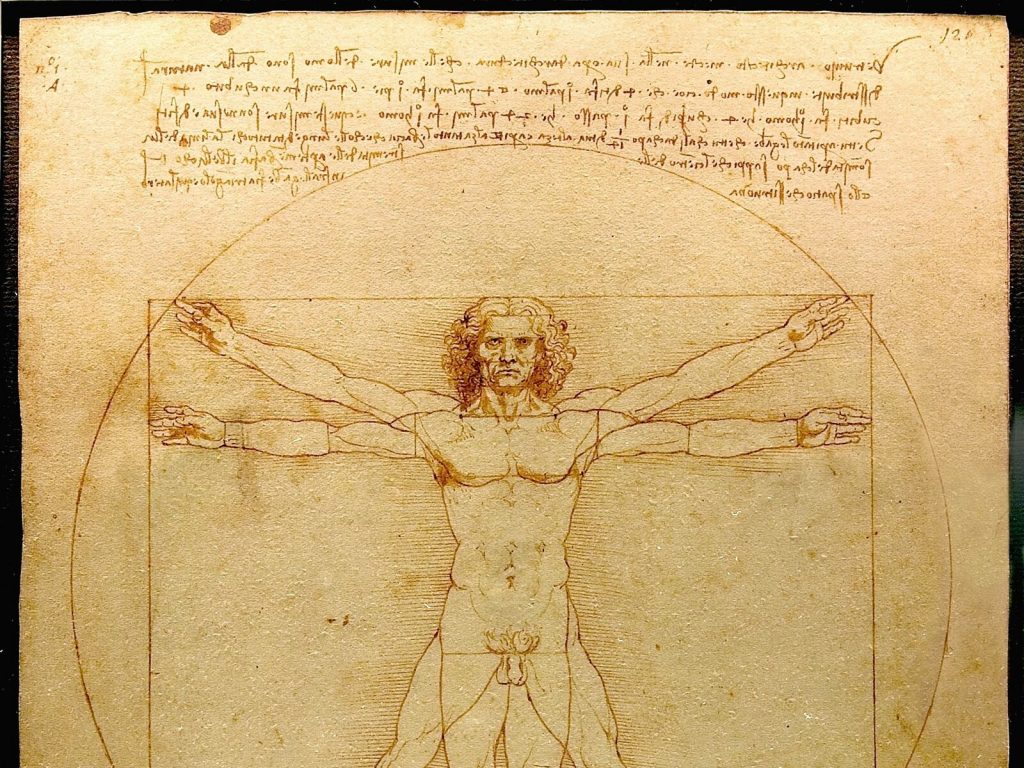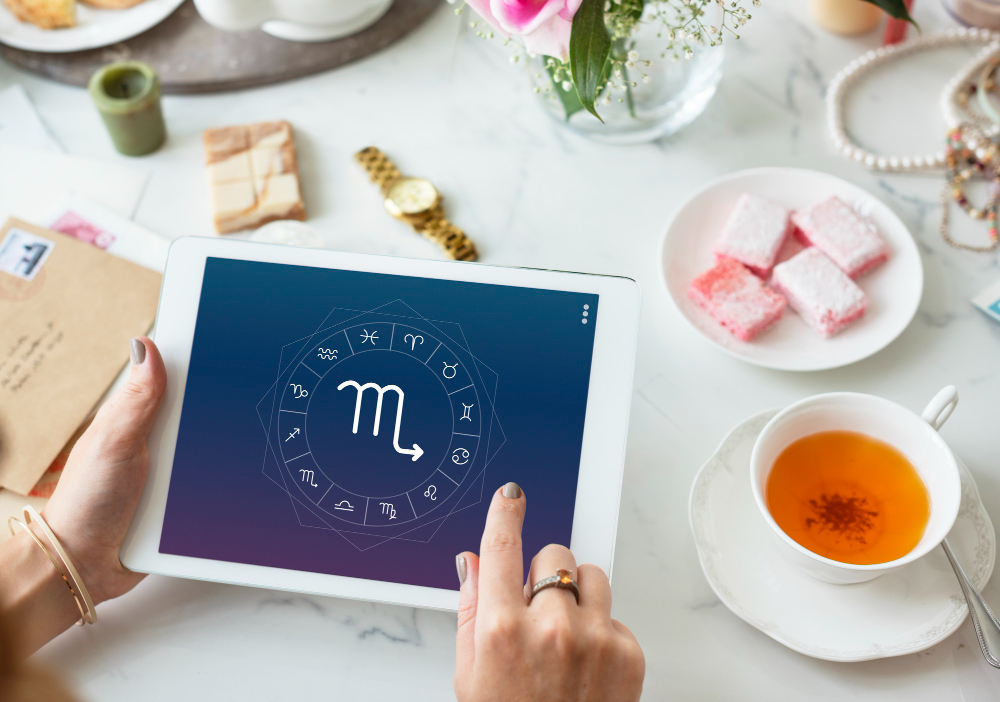
The art world is changing fast. Not with shock tactics or louder visuals, but with something quieter and deeper. Artists, curators, and collectors are leaning into spirituality, mysticism, and psychic space. This is not a trend built on incense and fantasy. It is a serious response to a world that feels unstable, noisy, and stripped of meaning.
This shift goes far beyond a fresh interest in Surrealism. It taps into belief systems, dreams, trance states, and unseen forces. The goal is not escape. The goal is sense-making. In a time ruled by algorithms, climate anxiety, and political fatigue, artists are asking older questions again. What is real, what is sacred, and, above all, what lies beneath logic.
A Crisis of Systems, Not Style
Man / Pexels / Every major spiritual turn in art follows a breakdown somewhere else. Today, that breakdown is everywhere.
Political trust is thin. Climate damage feels permanent. Technology moves faster than human thought. Progress no longer feels like a promise. It feels like pressure.
Artists respond when language fails. Rational systems feel brittle right now, so art is reaching for other tools. Myth. Ritual. Symbol. Spirit. These are not soft ideas. They are survival tools. They help people process fear, grief, and uncertainty when facts alone do not land.
This is why spiritual art today feels grounded, not decorative. It deals with death, rebirth, cosmic time, and unseen forces shaping daily life. The work does not preach belief. It opens space for reflection. It asks viewers to slow down and feel instead of scan and scroll.
Surrealism Laid the Groundwork
This movement did not appear from nowhere. It stands on a foundation laid a century ago by Surrealism. When Surrealism emerged in Paris in the 1920s, it rejected logic as the highest truth. It prized dreams, chance, and the unconscious. Artists wrote automatically. They tracked dreams. They treated the mind like a doorway, not a machine.
Surrealism was never just a look. It was a method and a belief that creativity comes from forces beyond control. That belief was radical then, and it still is. The idea that art could channel something unseen challenged both politics and science.
Many Surrealists were deeply spiritual, even if critics downplayed that fact. Artists like Leonora Carrington and Remedios Varo studied alchemy, magic, and myth. Their paintings were not fantasies. They were maps of inner worlds. The canvas became a space where the physical and the invisible could meet.
Forgotten Visionaries Return to Center Stage
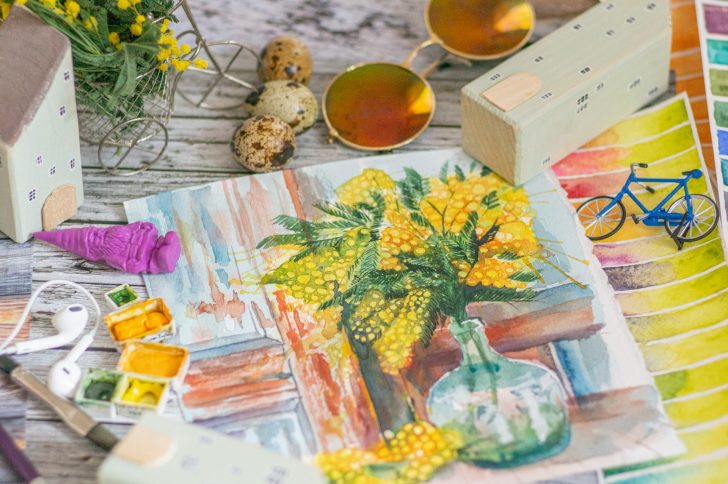
Elena / Unsplash / The current spiritual shift also corrects art history. For decades, key figures were ignored because their beliefs made critics uncomfortable.
Now they are being reexamined with fresh eyes and serious scholarship.
Hilma af Klint is the clearest example. She painted abstract works guided by spiritual messages years before abstraction became mainstream. For a long time, her work was dismissed as eccentric. Today, it reshapes the story of modern art itself.
Another rediscovered figure is Georgiana Houghton. In the 1860s, she created intricate drawings she believed were guided by spirits. These works challenge the idea that modern abstraction came only from formal experiments. They show that belief, not theory, often led the way.
The spiritual turn is also global. Museums and curators are no longer treating Indigenous and outsider belief systems as side notes. These frameworks are presented as parallel ways of understanding reality.