A strange TikTok trend featuring underground cities, AI-generated fantasy worlds, and bizarre Nazi imagery has started raising serious concerns among researchers. While many viewers treat the content as harmless internet humor, experts say these viral videos often carry coded extremist ideas hidden behind memes, music, and fantasy aesthetics.
One growing trend called “Agartha” has become a major focus. The conspiracy centers around a fictional civilization hidden inside the Earth. Yet the online version goes far beyond science fiction. It mixes white supremacist themes, Nazi mythology, and internet culture in ways that make radical ideas feel casual and entertaining.
Researchers now warn that these videos do more than spread strange theories. They also help extremist groups slowly normalize dangerous beliefs among younger audiences.
How the Agartha Trend Became Popular
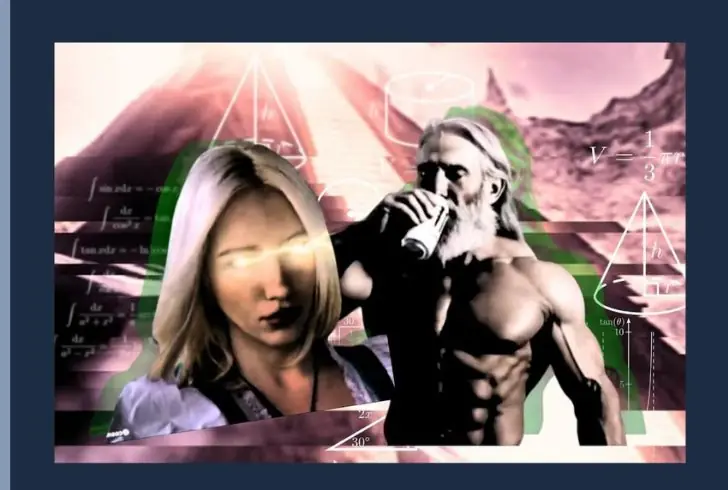
The Agartha myth has existed for decades in fringe conspiracy circles. However, TikTok creators transformed it into short, highly shareable content filled with fantasy visuals and AI-generated imagery.
Many clips show glowing underground kingdoms, futuristic soldiers, or fictional “Aryan” civilizations. Some videos also include Adolf Hitler or Nazi references blended into absurd comedy edits.
One viral example showed an AI version of Hitler standing in Antarctica while drinking a White Monster Energy drink as the song “Down Under” played in the background. The clip looked ridiculous on the surface.
Still, researchers say the humor masks extremist symbolism designed to avoid moderation. That strategy helps creators spread harmful ideas without posting direct propaganda.
Why Experts Say These Videos Matter
Researchers studying more than 43,000 TikTok videos connected to Agartha found several recurring tactics. Their work revealed how extremist users adapt content for modern social media platforms.
Instead of posting direct hate speech, creators use subtle messaging and layered symbolism. This makes the content appear harmless to casual viewers while signaling extremist beliefs to others already familiar with those codes.
Experts describe this approach as “borderline content.” The material often stays within platform rules, yet it still introduces viewers to radical narratives.
TikTok’s algorithm then amplifies those videos because users continue watching, commenting, and sharing them.
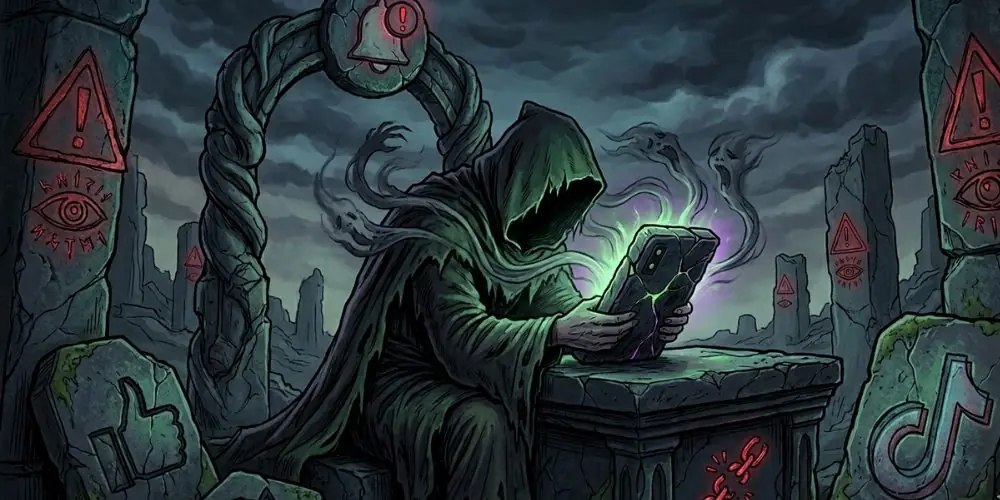
One major tactic involves aesthetic camouflage. Creators package extremist themes inside fantasy worlds, gaming visuals, and science-fiction storytelling. Rather than showing violent propaganda, videos present polished AI art and cinematic edits that feel entertaining and mysterious.
That presentation softens the underlying ideology. Researchers found many Agartha clips portraying white utopias populated by idealized blond characters with supernatural features. While the visuals resemble fantasy games or movies, they quietly reference racist ideologies tied to Nazi beliefs about racial purity.
Since the content looks artistic rather than openly political, younger viewers often consume it without recognizing the messaging underneath.
Hidden Symbols Spread Through Dog Whistles
Another strategy relies on coded references called dog whistles. These symbols communicate extremist ideas to insiders while appearing meaningless to most viewers. Researchers identified several recurring examples inside Agartha content.
The number 271 frequently appears in videos as a coded Holocaust denial reference. Some creators also insert “raw milk” imagery, which online extremist groups often use as a symbol tied to white supremacy.
In some clips, Nazi symbols flash on screen for only a fraction of a second. That brief appearance helps creators avoid automatic moderation systems while still signaling support to extremist audiences. Experts say this tactic gradually desensitizes viewers to hateful imagery.
Viral Hashtags Expand the Audience
Researchers also discovered that Agartha creators intentionally connect their content to mainstream online communities.
Many videos include hashtags unrelated to conspiracy theories, such as #roblox, #gymtok, or names of celebrities and influencers. This tactic pushes extremist content into regular recommendation feeds.
Fitness culture plays a particularly large role. Some videos target insecure young men through “looksmaxxing” trends focused on appearance improvement and self-optimization. Creators often combine fitness content with conspiracy messaging to attract viewers already searching for confidence or identity online.
This blending of ordinary interests with extremist ideas creates what experts call “hybrid spaces.” Inside those spaces, humor, lifestyle trends, memes, and radical narratives exist side by side.
Humor and Irony Help Content Spread Faster
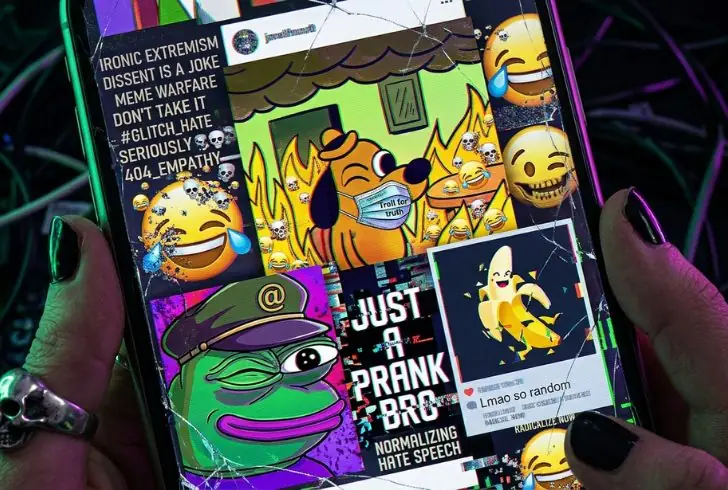
Many Agartha creators also rely heavily on irony and absurd humor. By using jokes, memes, and exaggerated edits, they create plausible deniability. If someone criticizes the content, creators can simply claim the video was satire or dark humor.
That approach makes moderation more difficult. Music also plays a major role. The repeated use of “Down Under” by Men at Work gives the trend a recognizable identity while adding another layer of internet irony tied to the underground civilization theme.
Creators often insert celebrities or mainstream influencers into Agartha edits as well. Some videos feature YouTuber Logan Paul or actor Mads Mikkelsen placed inside fictional underground worlds.
Those familiar faces increase engagement while helping extremist messaging blend into pop culture.
Why Researchers See a Bigger Threat
Experts note that patterns like Agartha show how extremist messaging has shifted to fit today’s algorithm-driven platforms rather than relying on traditional channels.
Short-form video apps prioritize fast engagement. As a result, creators often lean on mystery-driven themes, humor, stylized visuals, and trending meme formats to draw users toward fringe spaces without immediate detection.
Exposure does not always lead to belief. Still, repeated contact with similar themes can gradually shape perception and make harmful ideas feel more familiar over time. Research highlights that influence in these environments tends to build slowly instead of appearing through direct persuasion.
Social platforms move quickly, especially among younger audiences who are drawn to entertainment, trends, and online communities. Even content that appears light or fictional can carry layered meanings that experts suggest should not be overlooked.
Platforms continue working to manage the balance between open expression and user safety. At the same time, analysts encourage a more questioning approach toward viral content rather than assuming every trend is harmless or purely for entertainment.
Modern digital culture blends memes, political ideas, satire, and conspiracy-style narratives in ways that often overlap. This mix makes it important to stay aware of coded messages and subtle framing within viral content.