Netflix rarely buys technology companies. The streaming giant prefers to build its own tools in-house. That habit helped shape everything from its recommendation engine to its global streaming platform.
On March 5, 2026, Netflix announced it had acquired InterPositive, a quiet artificial intelligence startup founded by Ben Affleck. The deal caught Hollywood and Silicon Valley off guard because it breaks one of Netflix’s oldest habits.
This move signals a major shift inside the company. The streaming giant now wants artificial intelligence deeply involved in how movies and shows get finished. The company believes the right tools could solve common filmmaking headaches without replacing human creativity.
The purchase came days after Netflix walked away from a massive $827 billion attempt to buy Warner Bros. Discovery. The collapse of that deal triggered a $2.8 billion breakup fee, suddenly boosting Netflix’s war chest.
What Is InterPositive?
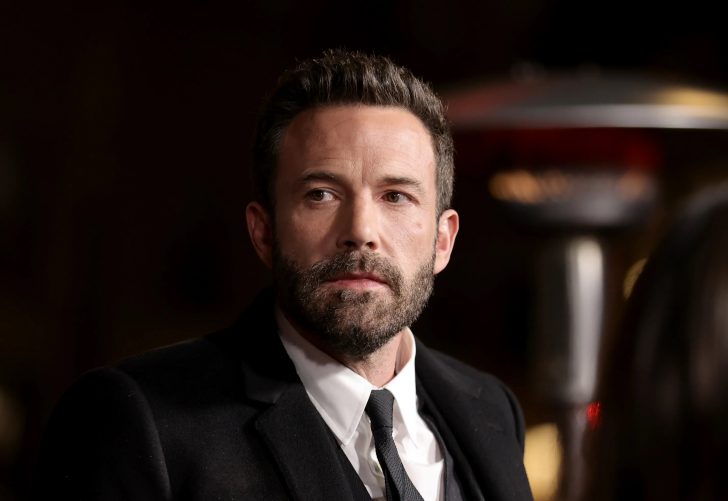
Financial Times / Ben Affleck launched InterPositive in Los Angeles in 2022. The company kept an extremely low profile for four years. Few people inside Hollywood even knew the project existed.
The startup focused on artificial intelligence built specifically for film production. The goal was not flashy text prompts that create scenes from scratch. Instead, the system analyzes real footage from a specific project and learns how it works visually.
Filmmakers upload their raw daily footage, commonly called dailies. The AI then builds a model trained only on that project’s material. That model learns lighting style, color tone, camera movement, and editing rhythm.
This approach avoids the biggest fear surrounding AI in Hollywood. The system does not replace actors, directors, or writers. It simply helps fix technical problems that normally cost time and money.
The technology can repair lighting problems, adjust colors, swap backgrounds, or fill in missing shots. Those tasks often force production teams to schedule expensive reshoots. Reshoots can cost millions and delay a film’s release by months.
The “Gone Girl” actor designed the system to follow what he calls “visual logic and editorial consistency.” In simple terms, the AI respects the rules of the film that already exist. That philosophy separates InterPositive from most AI tools flooding the market. The system does not invent scenes. It strengthens the scenes that filmmakers have already captured.
Netflix Breaks Its Build First Tradition
Free Stock / Unsplash / Netflix has a long history of building its own technology. The company usually hires engineers and develops tools internally instead of buying startups.
However, the InterPositive purchase breaks that pattern. Netflix decided that buying the technology would move faster than building a similar system from scratch.
Industry insiders say the decision reflects how quickly AI tools are advancing. Developing a comparable system internally could take years. Netflix appears unwilling to wait that long while competitors experiment with similar tools.
The financial terms of the acquisition remain undisclosed. Netflix has not revealed the purchase price or the size of the deal.
The deal also brings the 53-year-old actor directly into Netflix’s technology strategy. The actor and director will join the company as a senior advisor. His role will focus on guiding how these AI tools fit into real filmmaking workflows.
The entire InterPositive team will also move to Netflix. Engineers, researchers, and creative specialists will continue building the system under Netflix’s umbrella.
Affleck is also preparing a new directing project for the platform. His upcoming film "Animals" is scheduled to arrive on Netflix later this year. That project may offer a glimpse into how the AI tools could be used. While Netflix has not confirmed it, many expect "Animals" to become an early test case for the technology.
Many creatives worry that studios will use AI to replace jobs or reduce pay. That fear has forced companies to tread carefully whenever they discuss automation.
Netflix and Affleck are clearly aware of the concern. Both sides are presenting InterPositive as a creator-friendly system. Chief content officer Bela Bajaria said the company wants to keep filmmakers “at the center of the process.” The technology exists to help creators achieve their vision, not replace them.